Roll-Off Dumpsters for Commercial Sites
Commercial projects in Canyon County and nearby Ada County move quickly, and waste can build up between trades, deliveries, and inspections. Our roll-off dumpster rentals are set up for these conditions, for everything from new construction and tenant improvements to roof tear-offs and ongoing facility maintenance.
When you schedule a dumpster with Rock Solid Dumpsters, we talk through your site layout, access points, and schedule. That way, our drivers can place containers where they’re useful but out of the way, whether you’re working at a shopping center, industrial yard, farm property, or multi-unit complex in the area. We work to coordinate with your project timing to help avoid interference with the next phase of work.
Placement planning includes the loading path, truck approach, active work areas, surrounding obstructions, and access for customers or tenants. If the proposed location is within a public right-of-way rather than on private property, local permitting requirements may apply and should be confirmed with the appropriate jurisdiction before delivery.
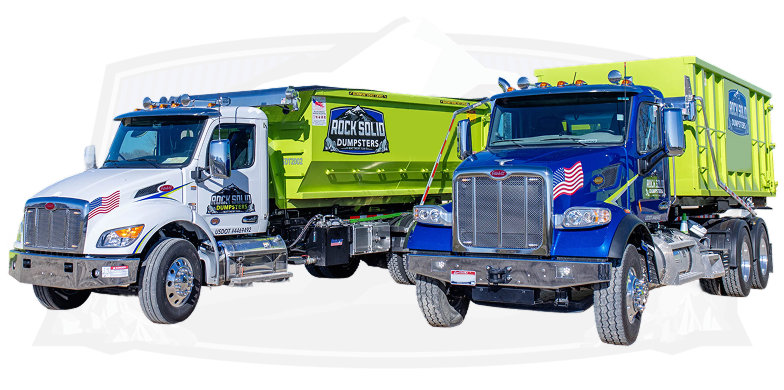
Our drivers treat your property with care. They’re used to tight spaces, active job sites, and working around customers or tenants who are still on the property. With modern, well-maintained trucks and a safety-first mindset, we place and retrieve containers with care for your pavement, curbs, and surroundings.
Commercial Dumpster Sizes Available
Container selection depends on debris type, estimated volume, material density, loading method, available footprint, and delivery access. Our team can help you compare these factors.
Here’s a quick look at our commercial containers:
- 12-yard heavy-duty dumpster: Designed for concrete, asphalt, rock, and other dense materials.
- 15-yard dumpster: A compact choice for smaller remodels or tighter commercial areas.
- 20-yard dumpster: Suited for mid-sized construction, roofing, and office cleanouts.
- 30-yard dumpster: A practical option for large-scale demolition, multi-unit work, and bulky debris.
- 35-yard dumpster: Our largest size, built for major demolitions, big commercial job sites, and projects loaded with equipment.
Dense materials shouldn’t be evaluated like lightweight construction debris. Tell us what you expect to load before choosing a size so we can discuss the appropriate container and any material-specific restrictions.
Our Commercial Dumpster Rental Process
When you contact Rock Solid Dumpsters, we ask a few practical questions about your project. This usually includes the type of work you’re doing, expected materials, rough volume, and your desired timeline. We also talk through site access and placement options so our drivers can arrive prepared, whether the container will sit in a loading area, gravel lot, or along a private drive. Contractor rentals include 7 days, and Sundays don't count toward your rental period. If the job runs long, extensions are available at $20 per day.
After we agree on a plan, we schedule delivery around your project timing when possible. On delivery day, our driver confirms placement with someone on site when possible, then sets the dumpster where it can support your workflow while allowing safe truck access.
What Can & Can't Go in the Dumpster
We explain what can and can’t go in the dumpster in plain language before you start loading. That helps you avoid issues with restricted items or extra weight charges. Typical commercial debris, such as lumber, drywall, roofing, packaging, and non-hazardous demolition materials, is usually acceptable, subject to the exceptions reviewed when you book.
Construction and demolition debris can contain regulated materials that require separate identification and disposal. Asbestos, lead paint, hazardous waste, liquids, chemicals, and other restricted materials shouldn’t be placed in the dumpster. Project-specific disposal obligations may also apply, so ask before loading anything uncertain.
Serving Canyon County & Treasure Valley
Our Christian values shape how we treat every customer and every site. That shows up in honest conversations, fair dealings, respect for your property and neighbors, and a commitment to doing what we said we’d do.
We’re rooted in the same communities where we work. Our team serves commercial projects in Canyon County and Ada County. This local focus means we’re familiar with the mix of industrial sites, farms, retail centers, multi-unit properties, commercial corridors, and rural properties that define the region.
Commercial properties across the Treasure Valley can present tight access points, active parking areas, nearby traffic, gravel approaches, and changing surface conditions. We review the planned route and placement area before delivery so the truck approach fits the property and the container doesn’t unnecessarily interfere with customers, tenants, vehicles, or active work.
To get the most from your commercial dumpster rental, think through:
- Where the dumpster should sit for loading and truck access.
- Which size best matches the material type, volume, and available space.
- When delivery and pickup need to occur within the project schedule.
- Whether inspections, pours, deliveries, or other milestones affect pickup timing.
If the schedule changes, contact us to discuss adjusting pickup timing or relocating the dumpster. Don’t attempt to reposition a loaded or empty roll-off container with job-site equipment.
Frequently Asked Questions
Which Dumpster Size Should I Use for My Commercial Project?
The right size depends on the type, volume, and density of the debris, along with the available placement area and truck access. Tell us what you plan to load and how much space is available so we can help you compare the 12-yard heavy-duty, 15-yard, 20-yard, 30-yard, and 35-yard options.
How Far Ahead Should I Schedule Delivery?
Call as soon as you know your target start date, especially during busy construction periods. Advance notice gives us more opportunity to discuss access, placement, and project timing. We’ll tell you what scheduling options are available for your requested date.
What Materials Can Go in a Commercial Dumpster?
Lumber, drywall, roofing, packaging, and non-hazardous demolition materials are usually acceptable, subject to the exceptions discussed when you book. Ask us about any uncertain material before loading it, especially if it may require separate handling or disposal.
How Can I Protect the Placement Surface?
Our drivers use careful operating practices, but heavy containers and loads can affect some surfaces, particularly older or softer asphalt. Tell us about the surface condition and any concerns before delivery. We can discuss placement and truck-access options that may reduce risk, although site conditions vary.
Can You Deliver Rock or Soil?
Yes. We offer material delivery for rock, soil, and other common construction or site-work needs. We also provide flatbed transport for equipment or bulky items, giving commercial customers one local team to coordinate several hauling requirements.
Can I Move the Dumpster Myself?
No. Don’t move a roll-off dumpster with a forklift, tractor, or other machinery. These containers are designed to be moved by the appropriate hoist truck, and attempting to drag or lift one can damage the container, equipment, or underlying surface. Contact us if the dumpster needs to be relocated.
How Can Weather Affect My Load?
Rain and snow can add weight to absorbent materials such as drywall, wood, and carpet. Weather can also affect site access and surface conditions. Monitor the forecast, keep prohibited liquids out of the container, and contact us if changing conditions could affect pickup access.
How Can I Discourage Unauthorized Dumping?
Place the dumpster in a visible, well-lit, or access-controlled area when the site allows. Fencing, lighting, site-access management, and coordination with the property or project manager may discourage unauthorized use. Check the container regularly so unexpected material can be addressed before pickup.